Recent reports of Nipah virus cases in India have triggered an immediate response across Southeast Asia. With airport screenings now intensified in Singapore, Malaysia, and Hong Kong, the regional focus on biosecurity has reached a critical point. For those managing the daily operations of farms, abattoirs, and distribution centres, these developments serve as a stark reminder of how quickly zoonotic diseases can disrupt a supply chain. In our local context, where food security and hygiene standards are overseen with absolute precision, understanding the transmission of such viruses is not just about health; it is about operational survival.
Understanding the Transmission Risk
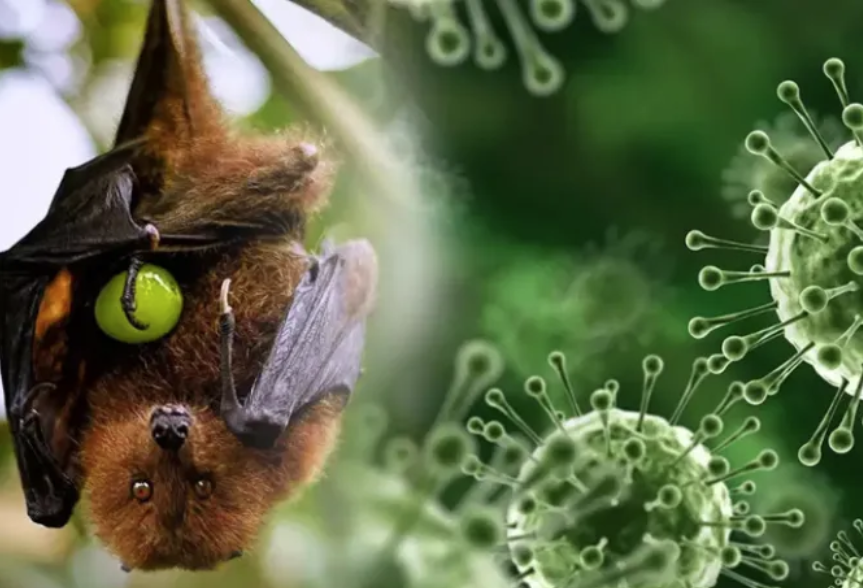
The Nipah virus is primarily carried by fruit bats, but it gained notoriety in our region through its transmission via pigs. The virus spreads through direct contact with infected animals or their bodily fluids such as saliva, urine, and faeces.
For a busy commercial facility, the danger lies in the inanimate objects that move between environments. Crates, bins, and tubs used to transport produce or handle livestock can easily become contaminated. If a crate is left under a tree where fruit bats have been feeding, or if a bin is used in a pen with an infected animal, that equipment becomes a vehicle for the virus. While person to person transmission is rare and usually confined to close caregiving settings, the initial jump from animal to human is often linked to contaminated food products or environmental contact via equipment.
The Role of Thermal Disinfection
One of the most effective ways to break the chain of infection is through heat. While the scientific community continues to refine the exact thermal death point for the Nipah virus, it is widely accepted that the virus is highly sensitive to high temperatures. Heat effectively inactivates the virus by breaking down its lipid envelope, rendering it unable to infect a host.
This is where standard manual cleaning often fails. A quick spray with a hose and some cold water might move dirt around, but it will not provide the sanitisation required to eliminate viral pathogens. To truly safeguard a facility, you need a validated high temperature wash cycle that ensures every surface of your
industrial crate washers or bin cleaning systems reaches the necessary temperature to kill off lingering contaminants.
Why Surface Hygiene is a Game Changer for Farms
If you are handling large volumes of plastic crates, bins, or tubs, the manual labour required to scrub these items is both inefficient and risky. Biofilms can build up in the corners of crates, providing a nesting ground for bacteria and viruses.
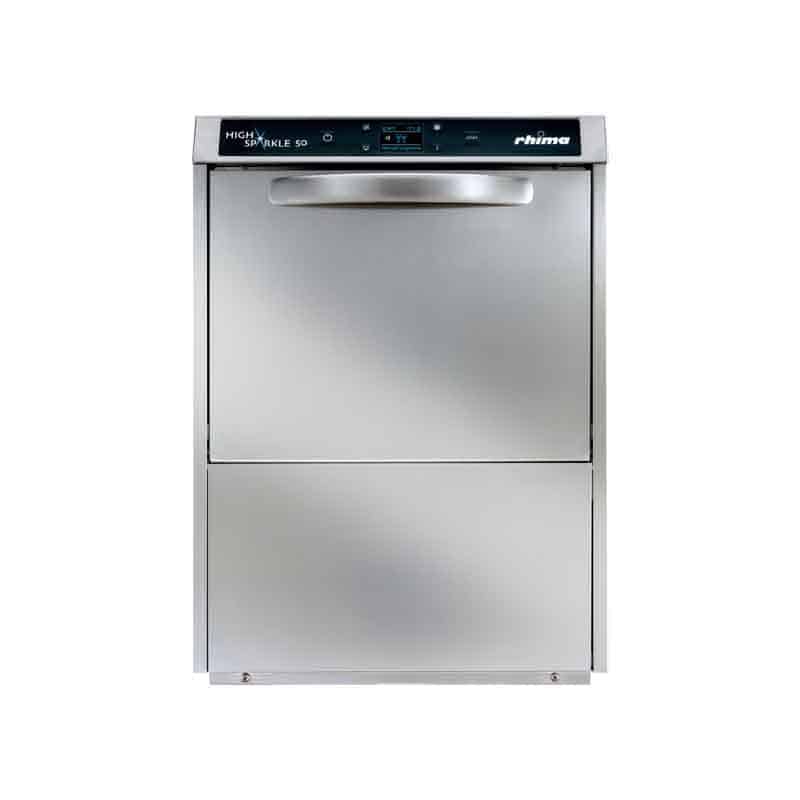
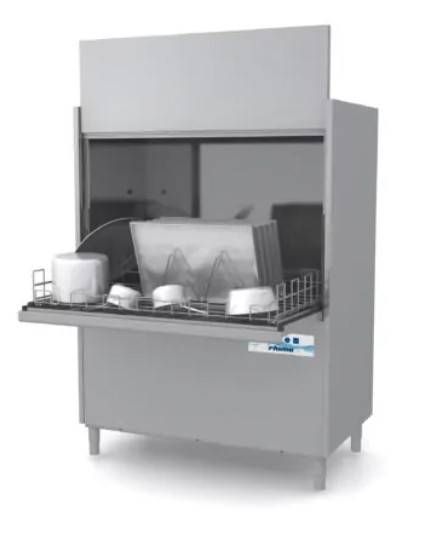
Rhima’s range of
commercial bin washers and
pallet washers are designed specifically to tackle these challenges. By using a Rhima system, businesses can ensure:
- Consistent Temperatures: Unlike manual washing, our machines maintain the high temperature water required for thermal disinfection, ensuring the virus is inactivated across every load.
- Total Coverage: Our high pressure nozzles are positioned to reach every crevice of a tub or crate, areas where contaminated saliva or faeces might otherwise remain hidden.
- HACCP Compliance: For businesses looking to meet stringent Singapore Food Agency (SFA) requirements, automated washing provides a repeatable and auditable process that proves your equipment is being sanitised to the highest possible standard.
Protecting Your Workforce and Your Brand
The history of Nipah outbreaks in this region taught us that the cost of a biosecurity breach is immeasurable, not just in terms of public health but in the total shutdown of industries.
Investing in robust
washing and sanitisation solutions is not just a matter of keeping things clean. It is a proactive defence strategy. By ensuring that every tub, bin, and crate that enters or leaves your facility has undergone a high temperature wash, you are effectively closing the door on the transmission of the Nipah virus and other zoonotic threats.
If you are concerned about the efficacy of your current cleaning protocols, or if you want to upgrade your facility with
heavy duty washing equipment that guarantees results, Rhima Singapore is here to help. Safety in the food chain starts with the containers we use; let us make sure they are not the weak link in your operation.